
Redefining Workspace Design
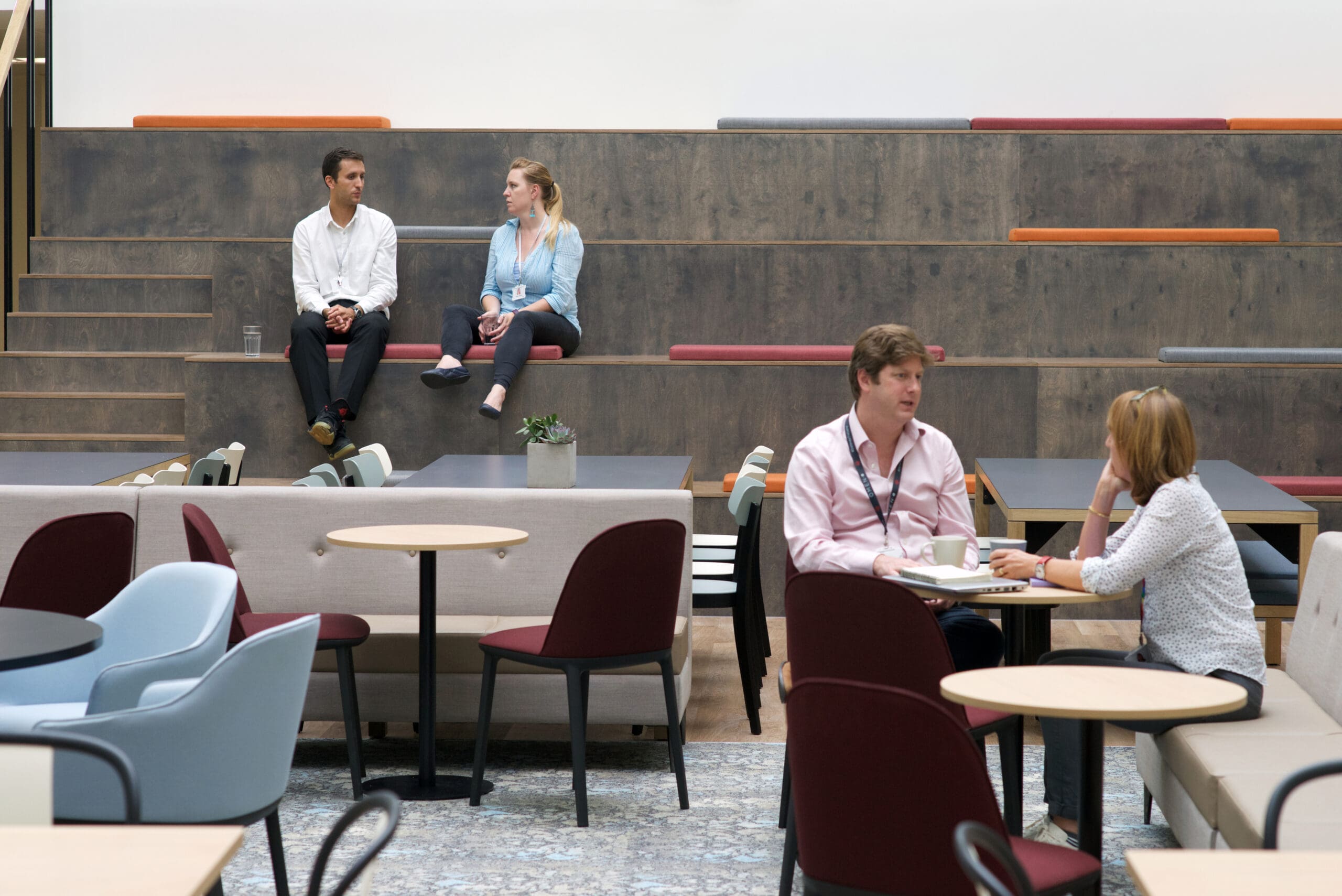
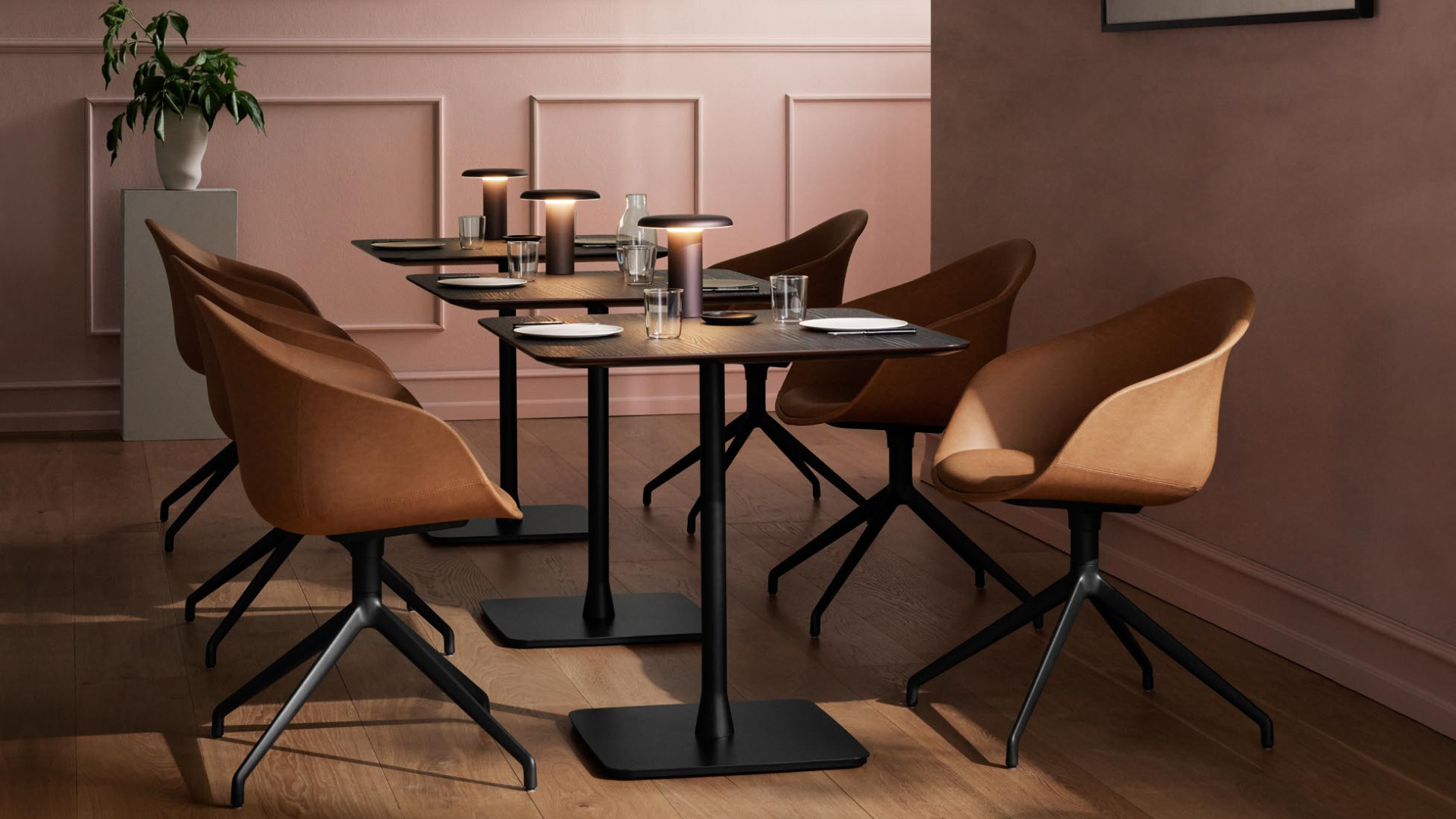
In recent years, the line between residential comfort and commercial functionality has begun to blur. Enter resimercial design – a hybrid aesthetic that merges the warmth, softness, and personality of home interiors with the performance and practicality required in professional workspaces. As businesses rethink how environments influence wellbeing, productivity, and culture, resimercial design has evolved from trend to strategy.
What Is Resimercial Design?
The term resimercial combines residential and commercial, describing spaces that feel less corporate and more human-centred. Rather than stark lighting, rigid furniture, and neutral monotony, these workplaces feature:
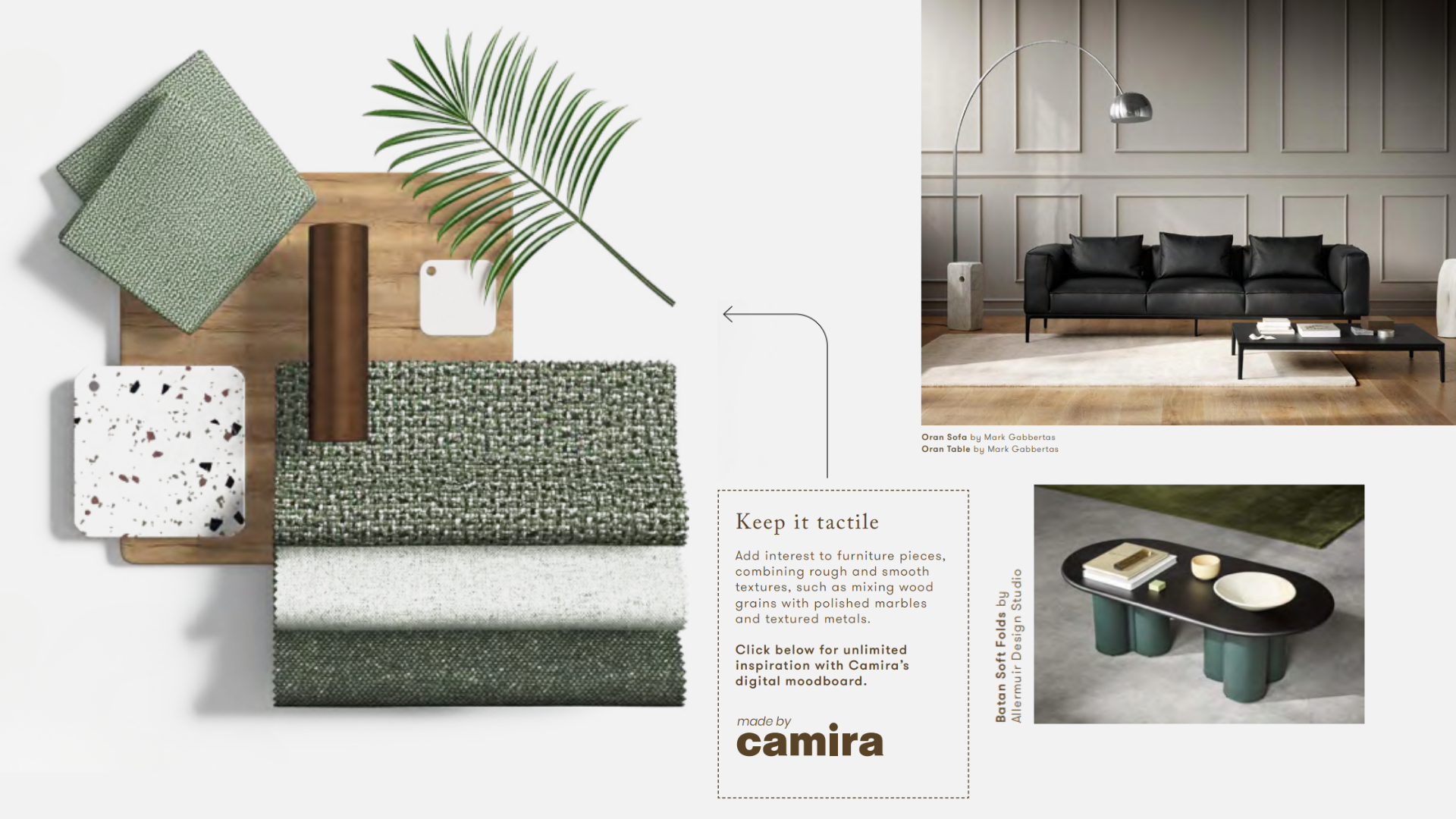
- Soft textiles and layered materials
- Lounge-style seating and collaborative zones
- Warm lighting and natural finishes
- Decorative accessories and artwork
- Flexible layouts that support multiple work modes
The goal is simple: create an office people want to be in.
Why It Matters in Modern Workplaces
Today’s workforce expects more than desks and meeting rooms. Hybrid working, talent competition, and wellbeing awareness have pushed organisations to rethink spatial design. Resimercial interiors help address several key needs:
- Comfort enhances productivity
Soft seating, acoustic fabrics, and tactile finishes reduce stress and sensory fatigue, helping employees stay focused longer. - Hospitality influences culture
Spaces that feel welcoming encourage collaboration, informal interaction, and stronger team dynamics. - Design supports retention
Employees are more likely to return to – and remain loyal to workplaces that feel thoughtful and inspiring rather than purely functional.
Key Design Elements of the Resimercial Look
Textiles that soften the environment
Upholstered panels, woven fabrics, and patterned textiles introduce warmth and visual depth while improving acoustics.
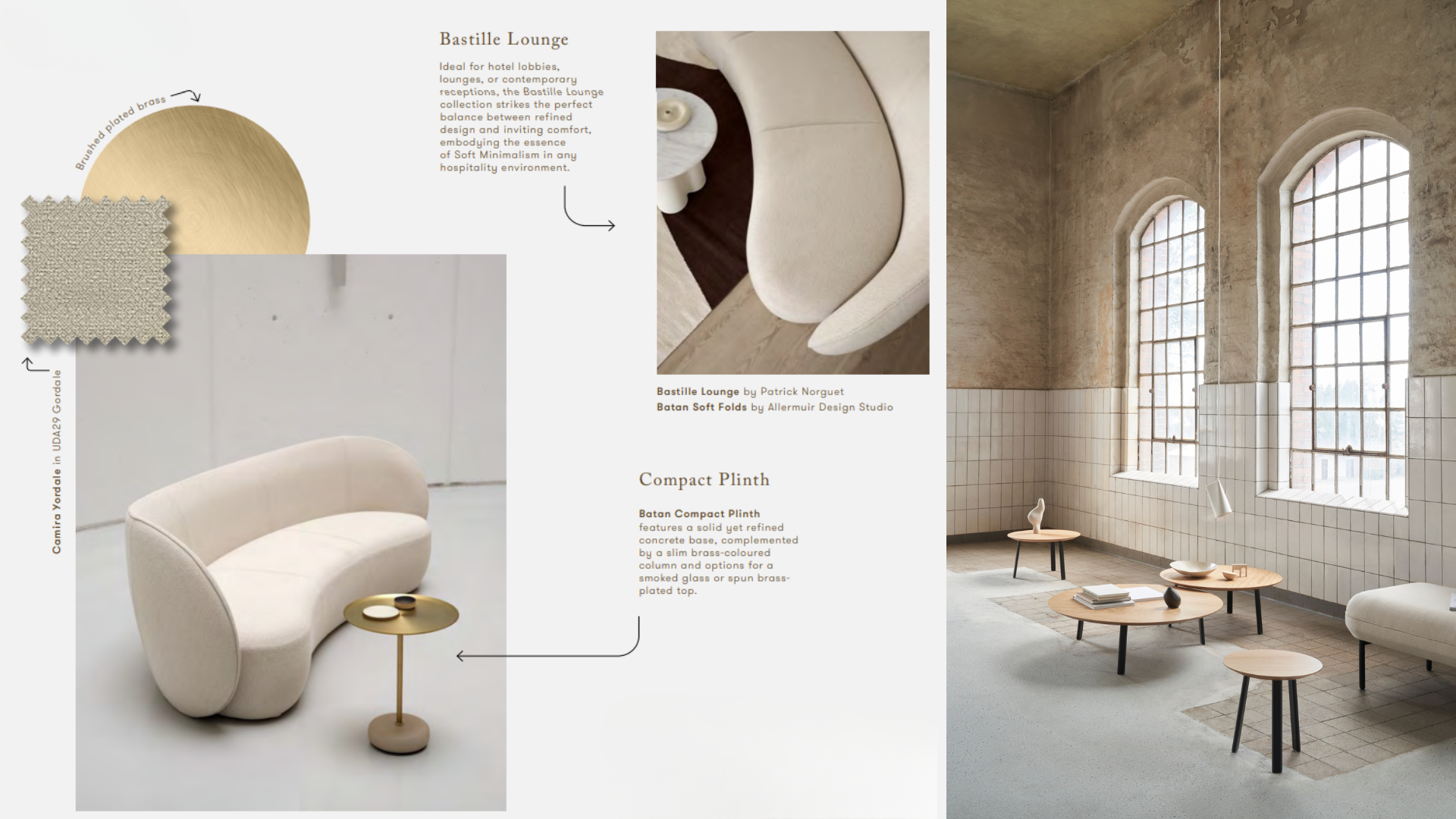
Residential-style furniture
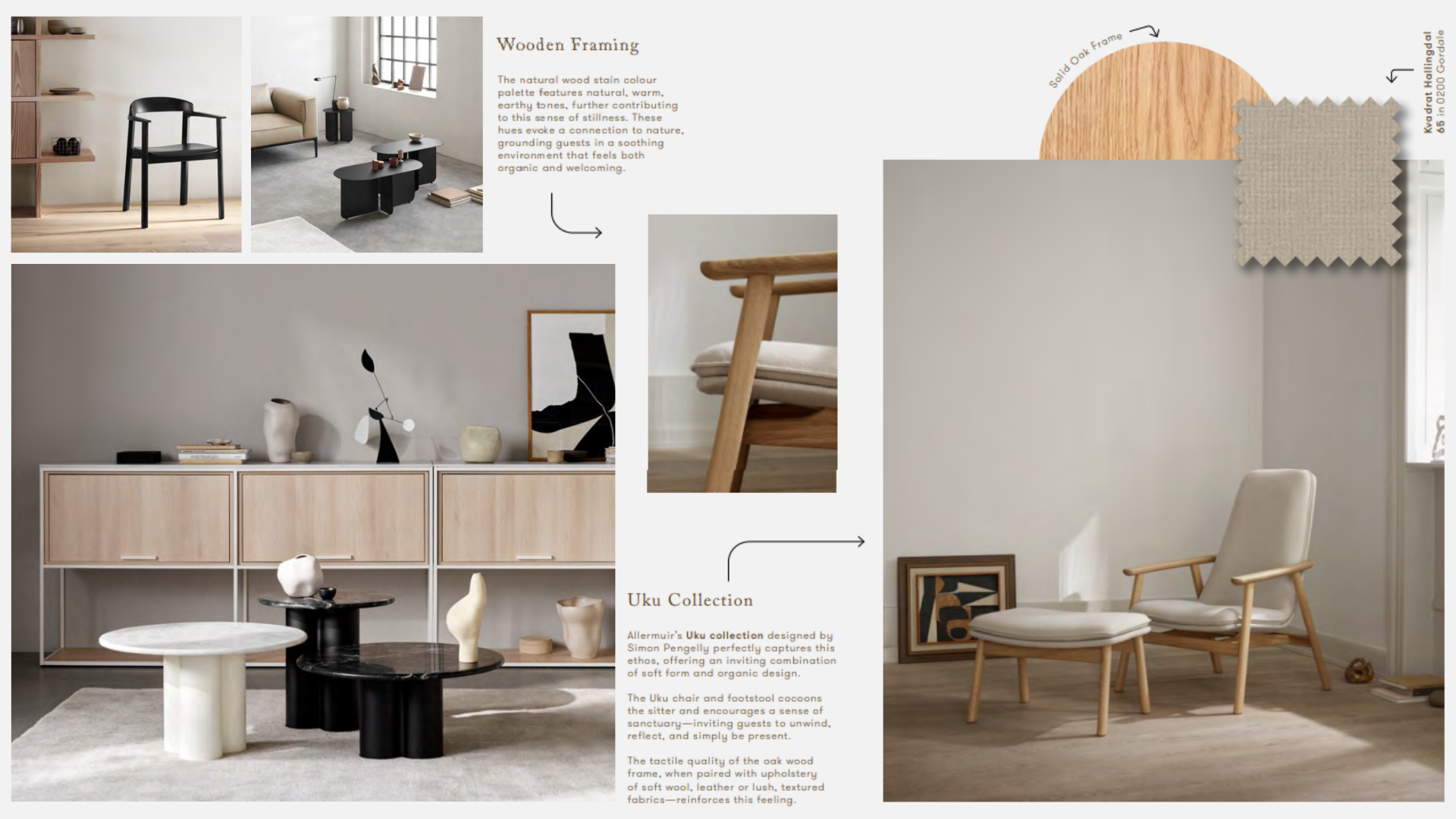
Sofas, armchairs, coffee tables, and rugs replace rigid boardroom setups, creating zones that support relaxed meetings and creative thinking.
Layered lighting
Instead of harsh overhead fluorescents, resimercial spaces use floor lamps, pendants, and warm LEDs to mimic home lighting.
Biophilic touches
Plants, natural fibres, and organic textures reinforce comfort and connection to nature.
Balancing Style with Performance
The success of resimercial design lies in balancing aesthetic softness with commercial durability. Materials must still meet contract-grade requirements such as:
- High abrasion resistance
- Fire safety standards
- Stain resistance and easy maintenance
- Longevity in high-traffic areas
This is where advanced interior textiles and engineered finishes play a crucial role – delivering the look of home fabrics with the resilience demanded by workplace environments.
Designing for the Future of Work
Resimercial design reflects a broader cultural shift: workplaces are no longer just places to work; they are destinations for connection, creativity, and wellbeing. As organisations compete to attract talent and foster innovation, interiors that feel authentic, comfortable, and adaptable will define the next generation of workspace design.
The future office won’t look like an office at all, it will feel like a thoughtfully designed living space that just happens to be where work gets done.