
7 Workplace Design Trends Shaping the Future of Work
As businesses continue to adapt to changing employee expectations and evolving technologies, the modern office is no longer simply a place to work. It has become a strategic asset that supports collaboration, wellbeing, productivity, and company culture.
For organisations planning an office refurbishment, relocation, or fit-out in 2026, understanding the latest workplace trends can help create spaces that remain relevant for years to come.
- Destination Offices Are Replacing Traditional Workplaces
The hybrid work model is now firmly established, meaning employees need a compelling reason to commute into the office.
Today’s most successful workplaces are designed as destinations rather than mandatory attendance locations. This means creating spaces that offer experiences employees cannot easily replicate at home, including collaborative zones, social hubs, innovation spaces, and premium amenities.
Businesses are increasingly investing in environments that encourage connection, creativity, and team engagement.
- AI-Ready Workspaces Are Becoming Essential
Artificial intelligence is transforming how businesses operate, and office design is evolving to support this shift.
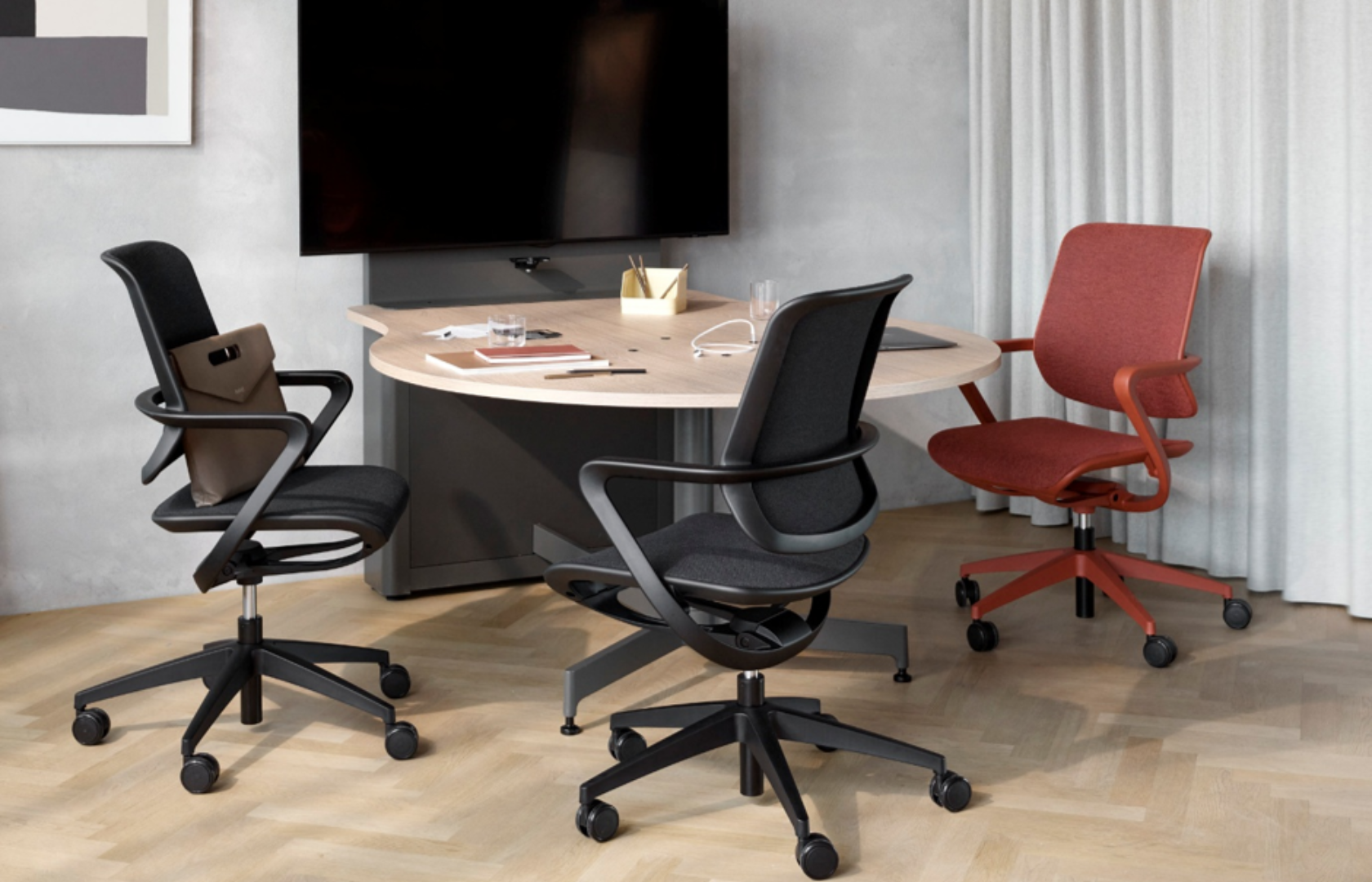
Meeting rooms are being equipped with advanced video conferencing technology, AI-powered collaboration tools, intelligent room booking systems, and smart environmental controls. Infrastructure planning now includes increased power requirements, enhanced connectivity, and flexible technology integration.
Forward-thinking organisations are designing offices that can adapt as workplace technology continues to develop.
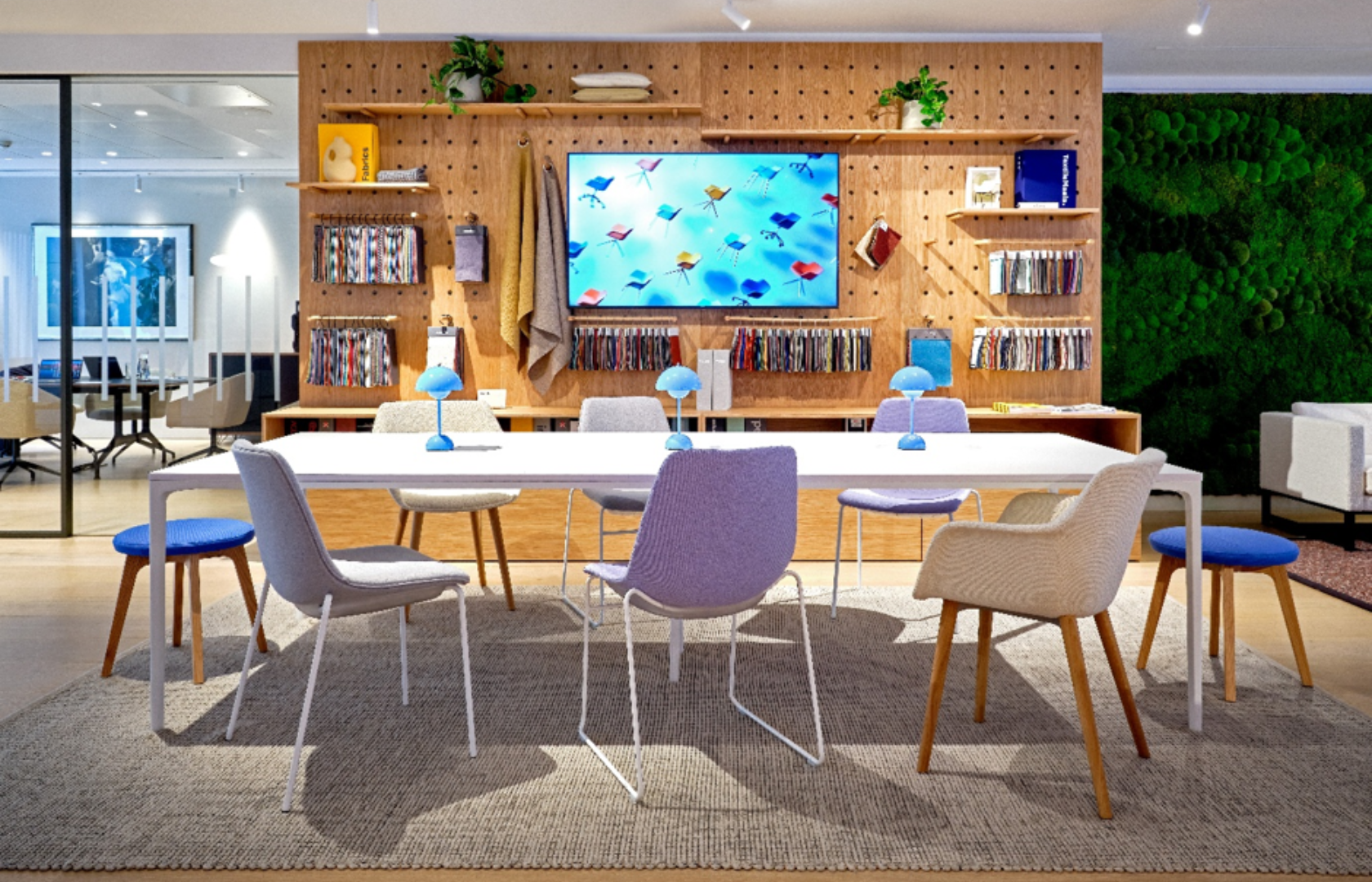
- Employee Wellbeing Is Driving Design Decisions
Wellbeing remains one of the strongest influences on workplace design in 2026.
Natural light, improved air quality, acoustic comfort, ergonomic furniture, and biophilic design elements are no longer considered optional extras. They are recognised as key contributors to employee satisfaction, productivity, and retention.
Creating healthy work environments demonstrates a company’s commitment to its people while supporting long-term business performance.
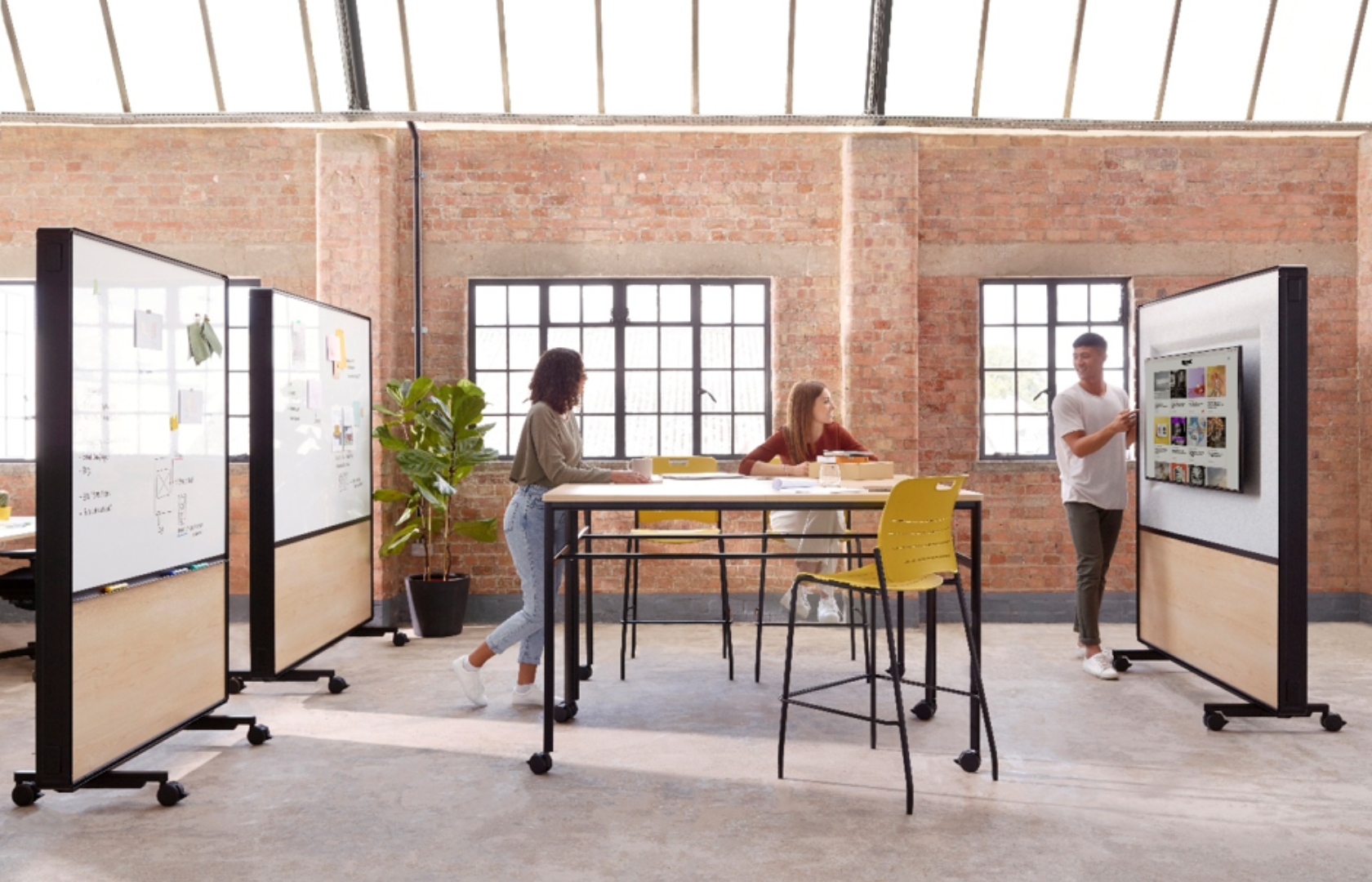
- Flexible Spaces Support Multiple Work Styles
Modern offices must accommodate a variety of activities throughout the day.
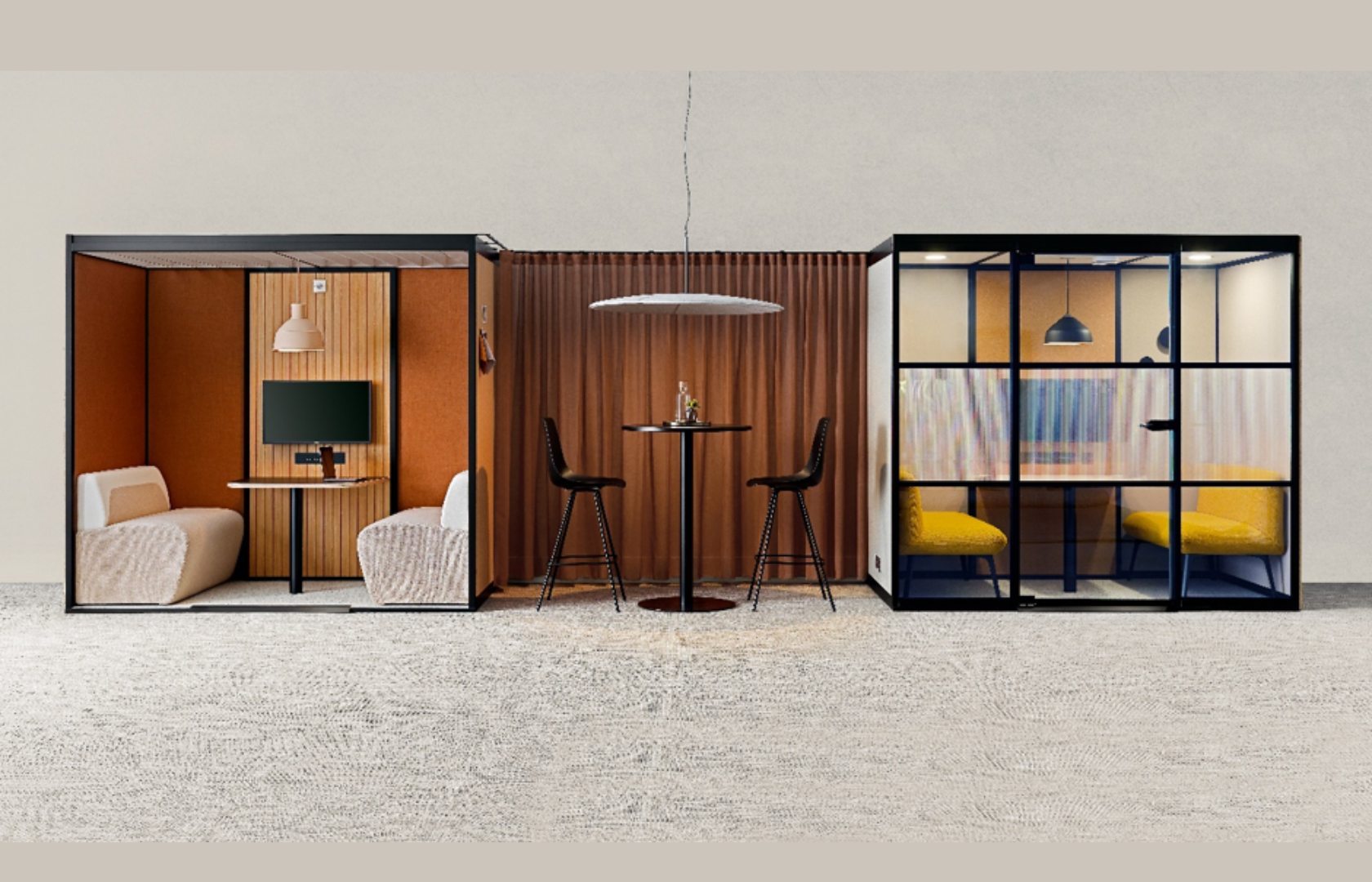
Employees often transition between focused individual work, collaborative projects, client meetings, and informal discussions. As a result, flexible environments that can be easily reconfigured are becoming increasingly popular.
Movable furniture, modular meeting spaces, adaptable workstations, and multi-purpose areas allow organisations to maximise the value of their office footprint.
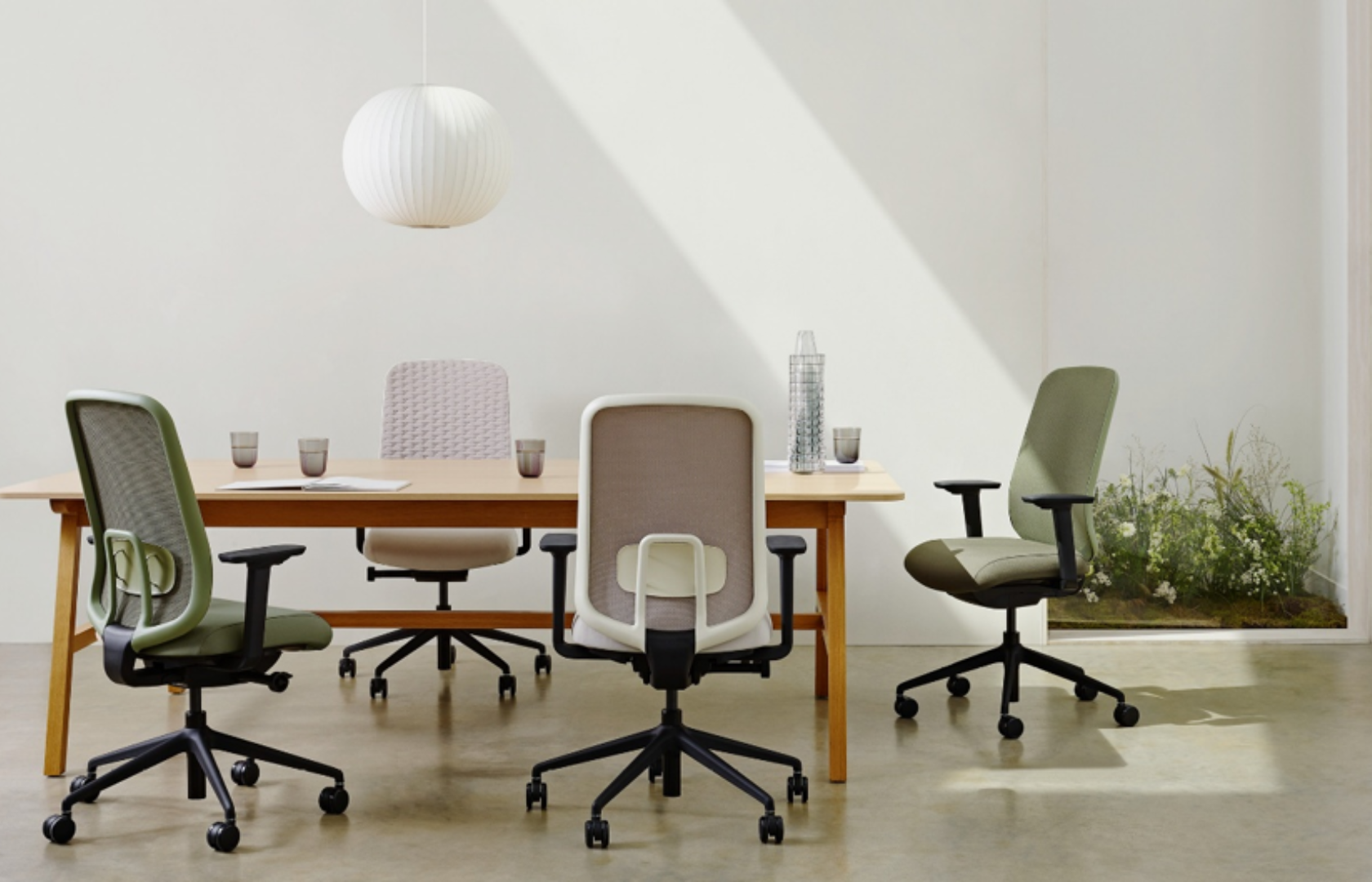
- Sustainability Is Influencing Every Stage of Fit-Out Projects
Environmental responsibility continues to be a priority for businesses across all sectors.
Organisations are seeking sustainable office solutions that reduce waste, improve energy efficiency, and support ESG objectives. This includes selecting responsibly sourced materials, investing in durable furniture, incorporating recycled products, and designing for longevity.
Sustainable office design not only benefits the environment but can also reduce operating costs and strengthen brand reputation.
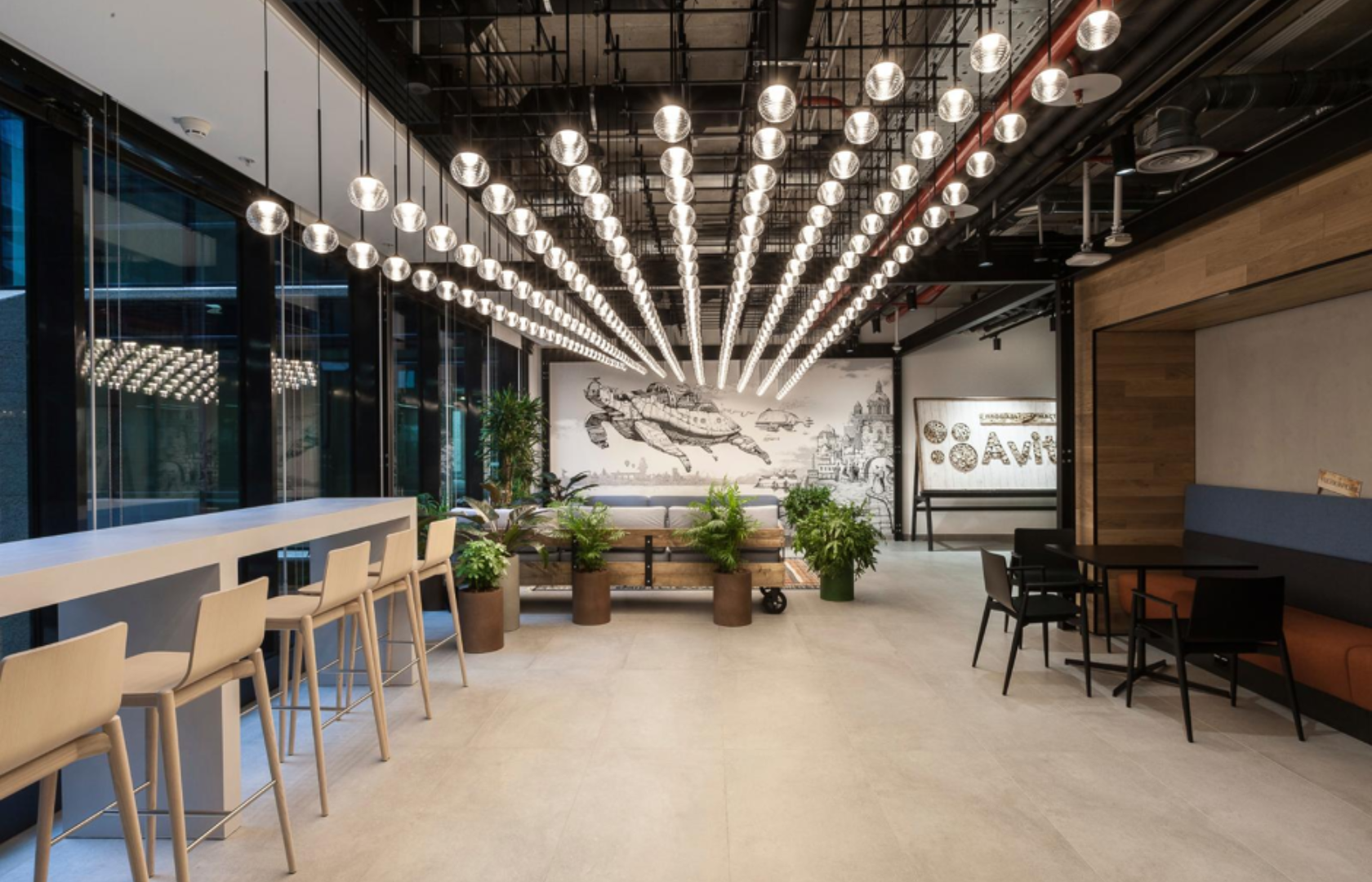
- Hospitality-Inspired Design Is Enhancing Workplace Experience
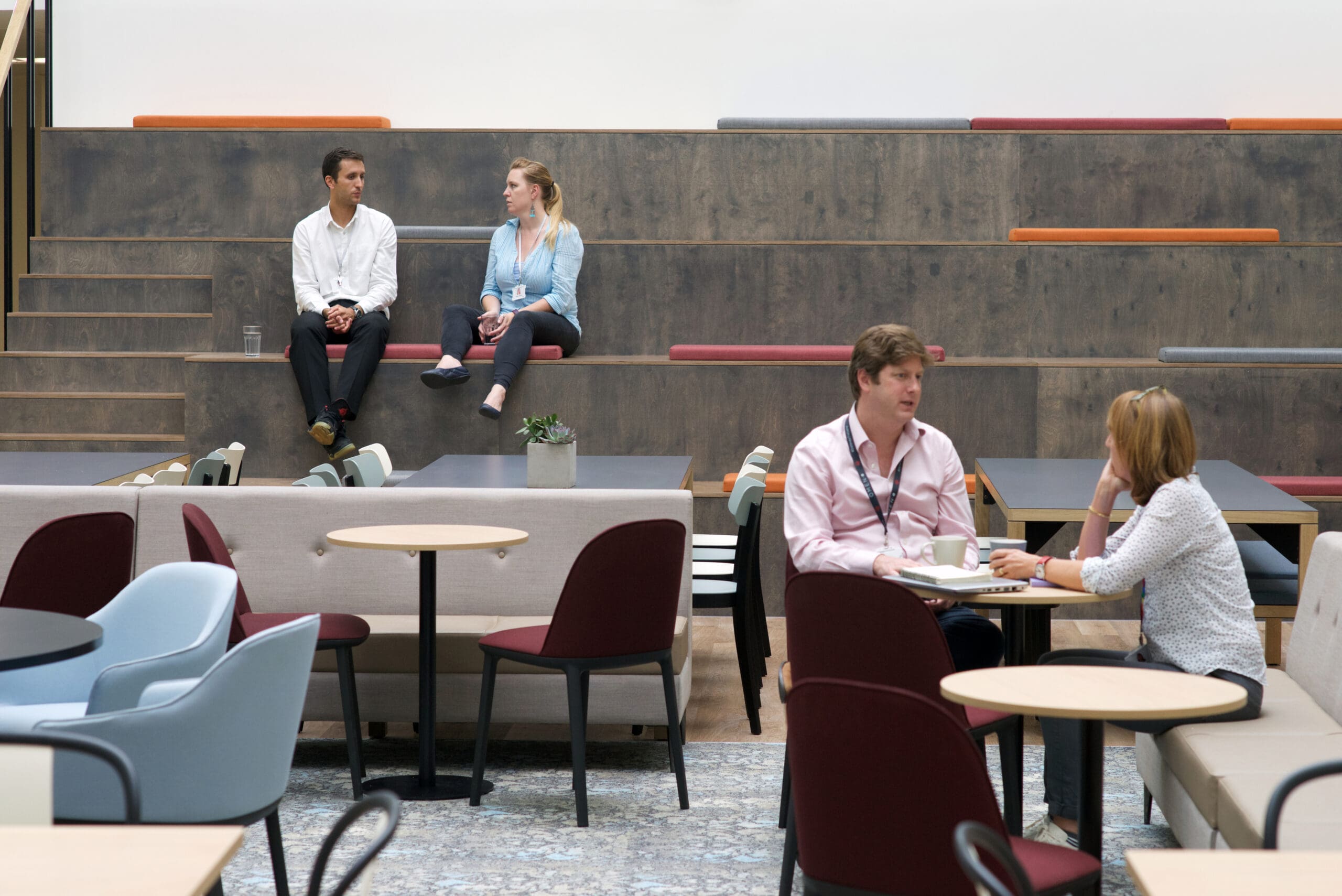
Many workplaces now take inspiration from hotels, lounges, and high-end hospitality environments.
Comfortable seating, welcoming reception areas, café-style breakout spaces, and thoughtfully designed communal zones create a more engaging and enjoyable employee experience.
These environments help foster collaboration while making a positive impression on clients, visitors, and prospective employees.
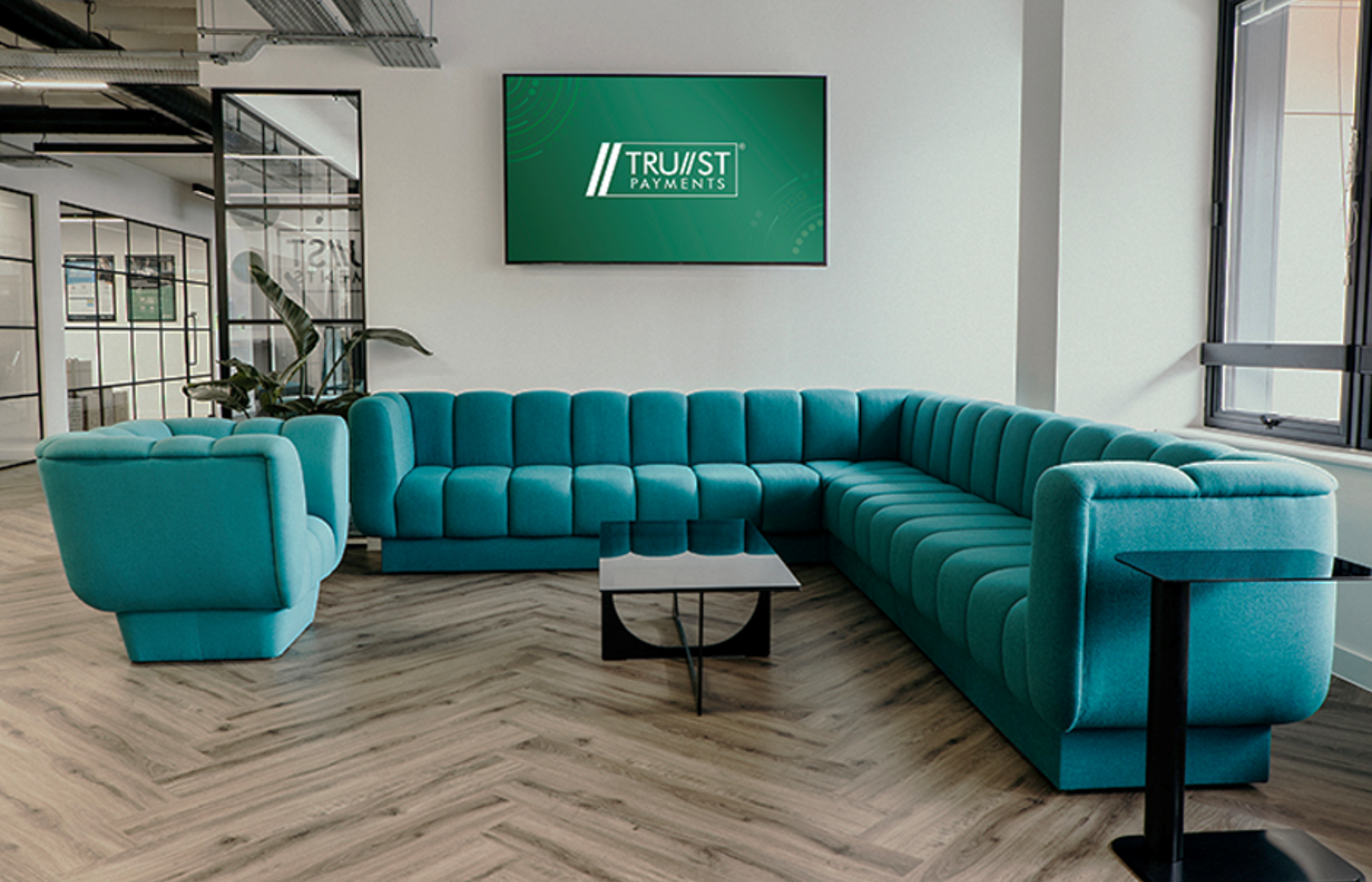
- Brand Identity Is Being Built Into Workplace Design
The office has become an extension of a company’s brand.
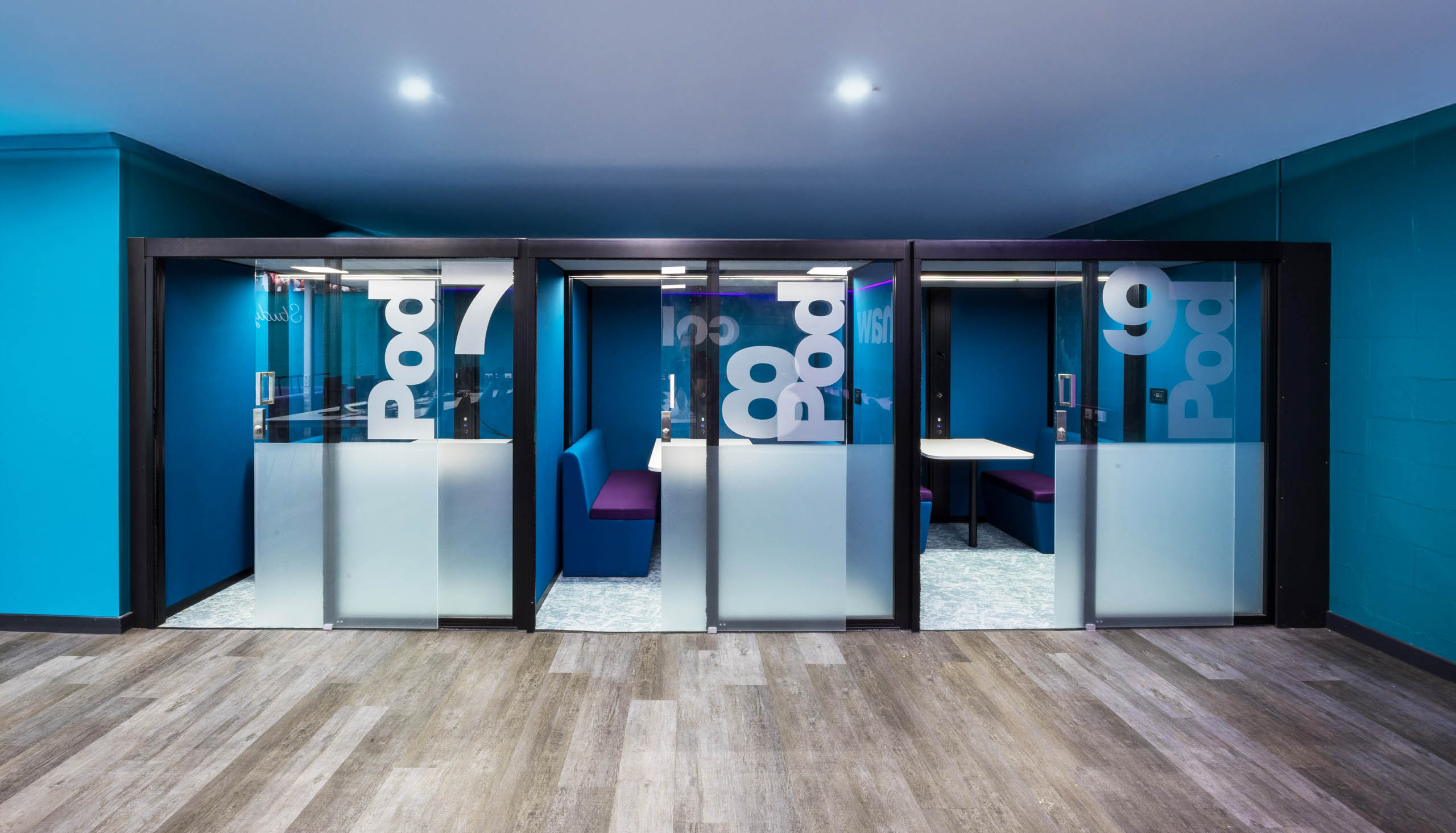
Businesses are increasingly using workplace design to communicate their values, culture, and identity. Through colour schemes, graphics, materials, furniture choices, and space planning, organisations can create environments that reinforce who they are and what they stand for.
A well-designed workplace can strengthen employee engagement while helping attract top talent in competitive markets.
Looking Ahead
The most effective workplaces in 2026 balance flexibility, technology, wellbeing, and sustainability while creating environments that people genuinely want to use.
Whether you’re planning a complete office fit-out, refurbishing an existing space, or upgrading workplace furniture, investing in thoughtful workplace design can deliver lasting benefits for both employees and the wider business.
At LWS, we help organisations create inspiring, future-ready workspaces that support productivity, wellbeing, and growth. Contact our team to discuss your next office transformation project.
👉 Looking for an Office Designer near you in Belfast? Get in touch today and upgrade your workspace comfort.