
More Than Just a Colour: Why Fabric Matters in Office Furniture
5-minute read · Commercial upholstery, acoustic comfort and sustainable workspace design
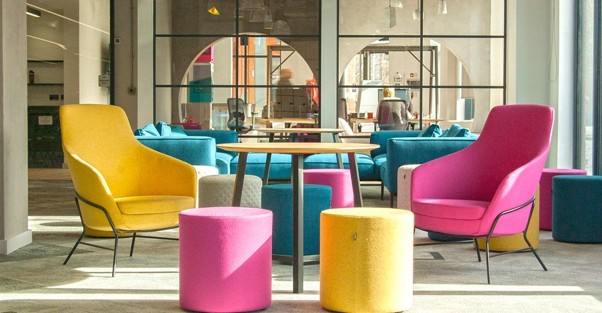
When planning an office fitout or workplace refurbishment, we spend plenty of time choosing desks, chairs, layouts and colour schemes. But one of the most important decisions is often overlooked.
The fabric.
The right upholstery can transform how a workspace looks, feels and performs. It affects everything from durability and hygiene to acoustics, comfort and sustainability.
And while a fabric might look fantastic on a sample card, that doesn’t necessarily mean it’s right for your furniture.
-
One fabric doesn’t fit every workspace
 Office: comfort, texture and design
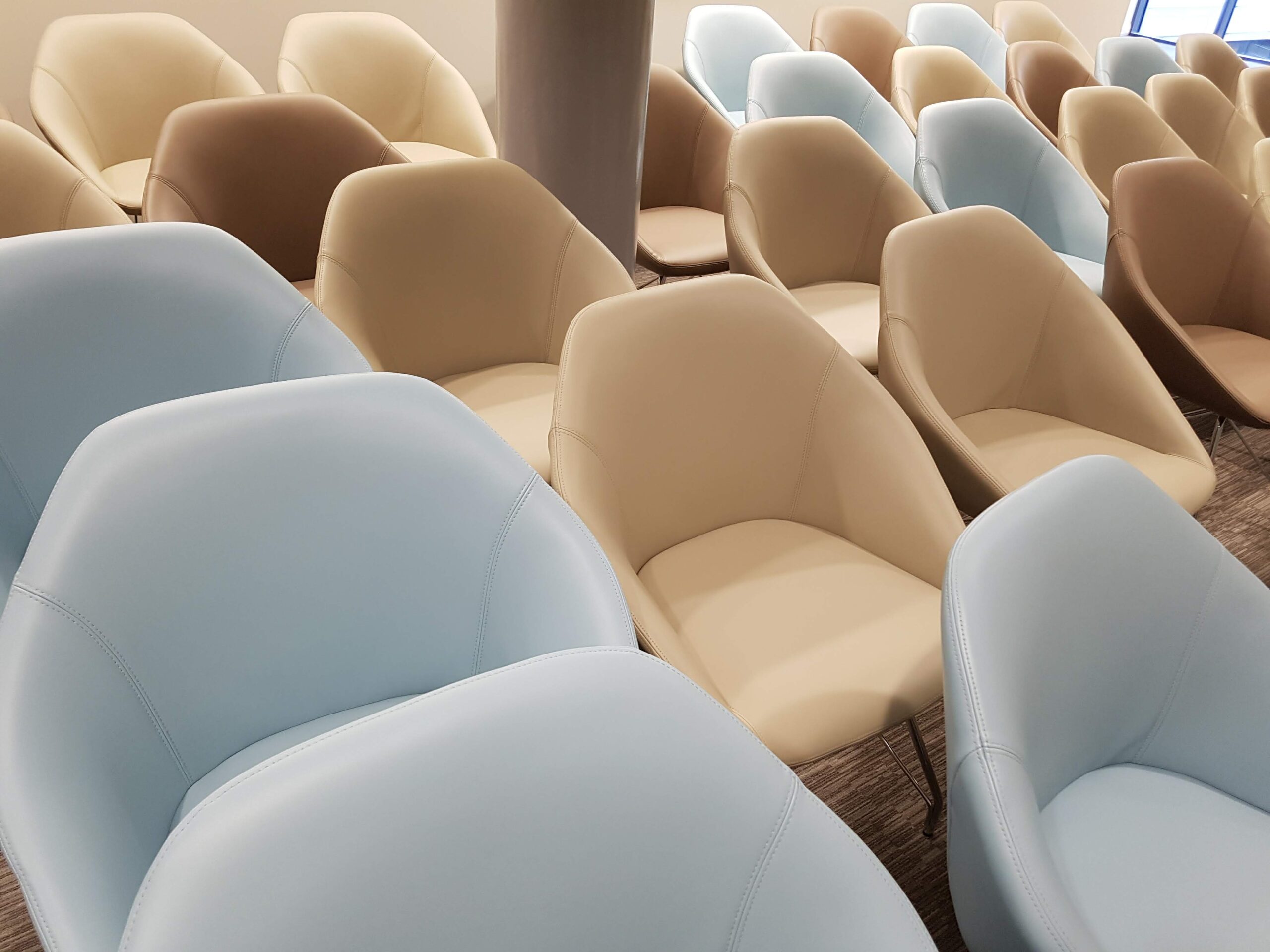
Healthcare: cleanability and hygiene
Think about the difference between a hospital waiting room and a contemporary office breakout area.
In healthcare settings and certain school environments, seating may need to withstand frequent cleaning, spills and disinfectants. A specialist vinyl such as Camira Vita offers a waterproof, wipe-clean surface suitable for demanding environments.
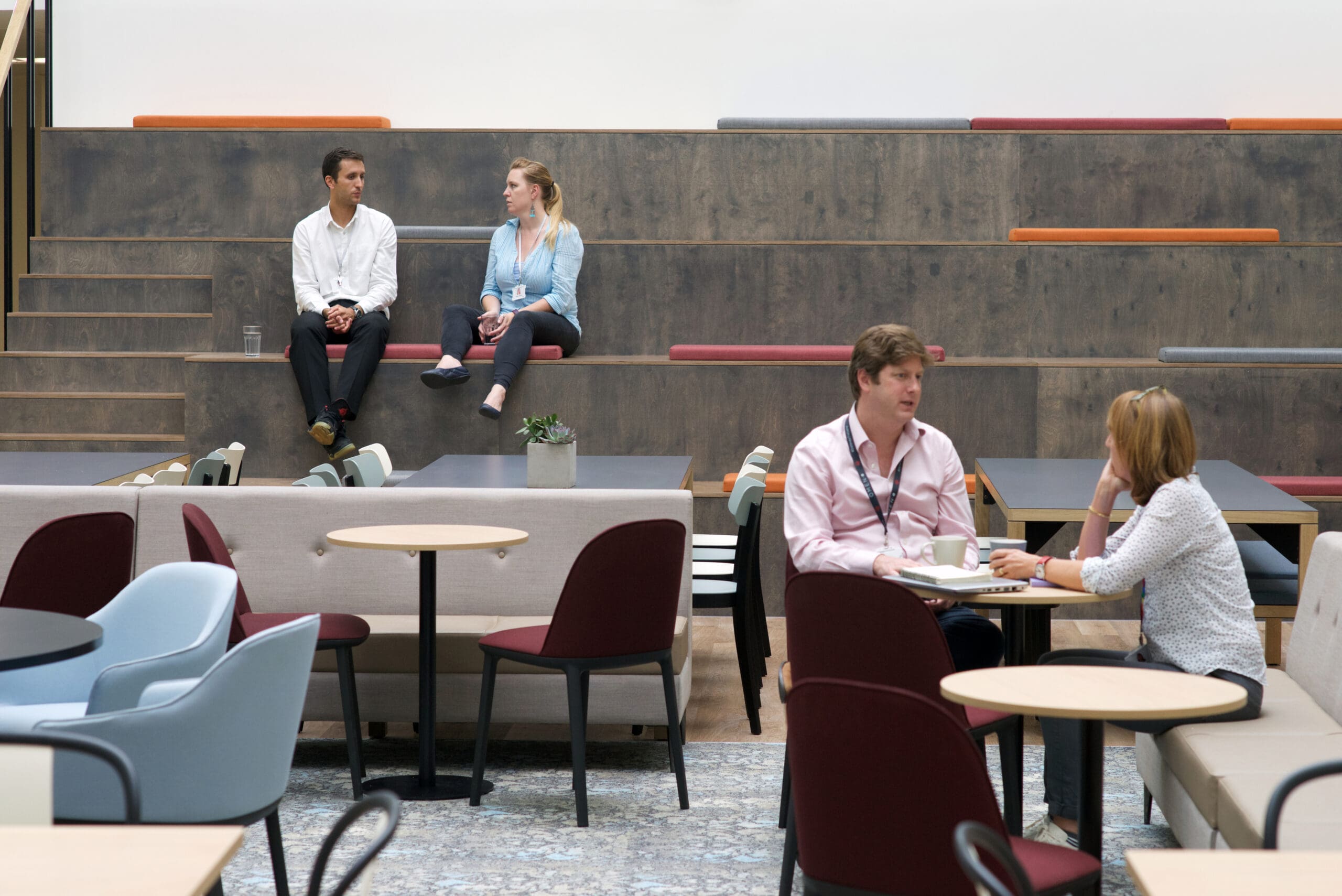
In a modern office, priorities can be very different. Comfort, texture, warmth and appearance become important, particularly in reception areas, collaborative spaces and soft seating.
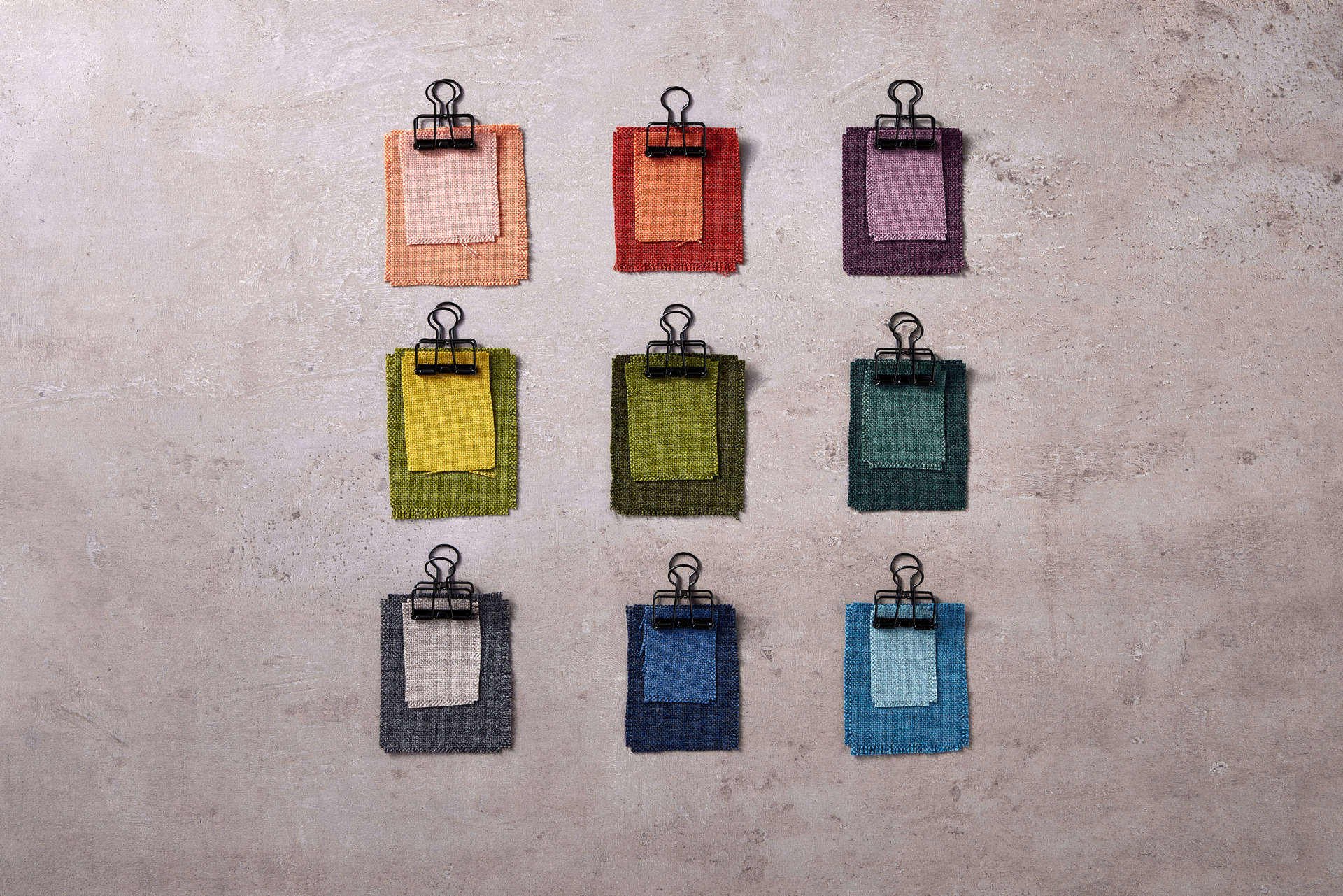
Woven fabrics such as Camira Synergy bring a softer, more welcoming feel to office furniture.
The lesson? Specify fabric for how furniture will be used, not simply how it looks.
-
Martindale: what does 100,000 rubs actually mean?
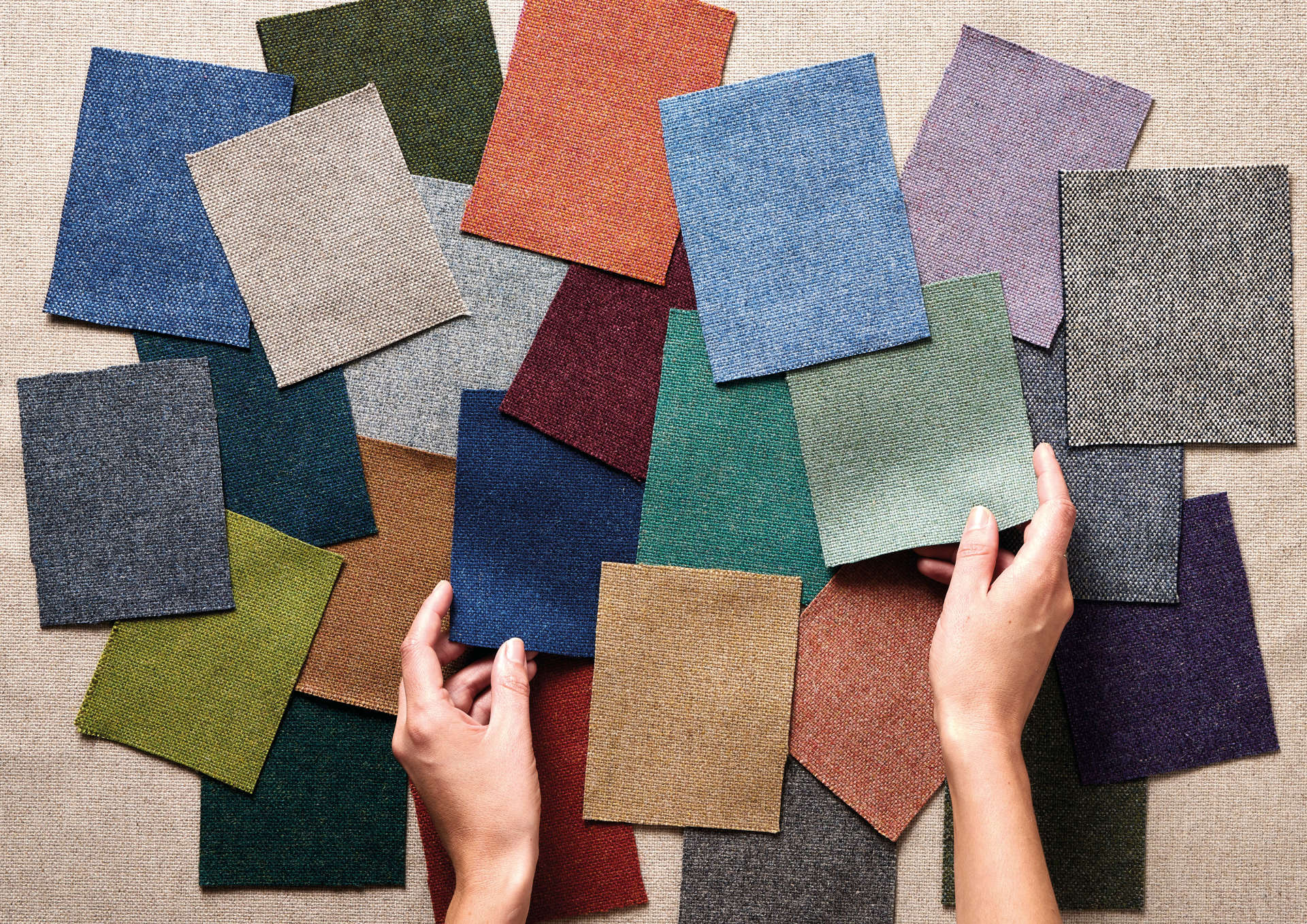
Ever noticed a fabric described as having 50,000 or 100,000 Martindale rubs?
The Martindale test measures how well a fabric resists abrasion. A machine repeatedly rubs the textile under controlled conditions to assess its resistance to wear.
Here’s a simple guide:
| Martindale rating | What it tells you |
| 20,000 rubs | Moderate abrasion resistance |
| 40,000 rubs | Common benchmark for heavy-duty commercial upholstery |
| 60,000+ rubs | Higher abrasion resistance |
| 100,000+ rubs | Very high laboratory abrasion resistance |
For frequently used office task chairs, meeting chairs and breakout seating, durability is essential.
But here’s the interesting part: 100,000 rubs doesn’t mean a fabric will last twice as long as one rated at 50,000.
Martindale measures abrasion resistance, not the exact lifespan of furniture. Pilling, cleaning, colourfastness and construction also matter.
The best choice is a fabric that meets the demands of the space, rather than simply having the highest number.
-
Can upholstery really help office acoustics?
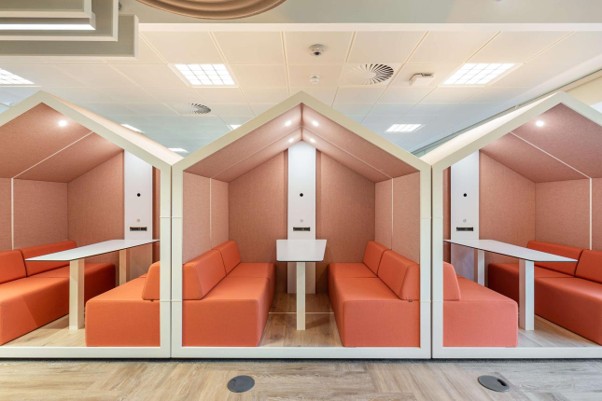
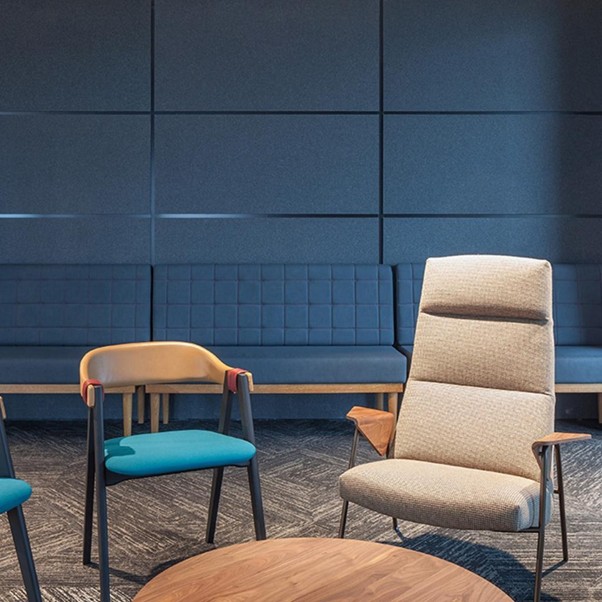
Open-plan offices are great for collaboration, but managing noise can be challenging.
Glass, concrete and other hard surfaces reflect sound, while properly designed upholstered furniture and acoustic panels can help create more comfortable environments.
Fabrics such as Camira Cara and Camira Quest can be used in acoustic applications.
However, it’s worth understanding that the fabric alone doesn’t necessarily absorb the sound. Often, it allows sound to pass through to the acoustic material behind it.
Good acoustic office design is about the complete furniture or panel system, not just choosing a soft fabric.
For offices incorporating meeting pods, acoustic screens and collaborative areas, selecting the right materials can help reduce distracting reflections and support concentration.
-
Sustainable fabrics: better for your workspace and the planet
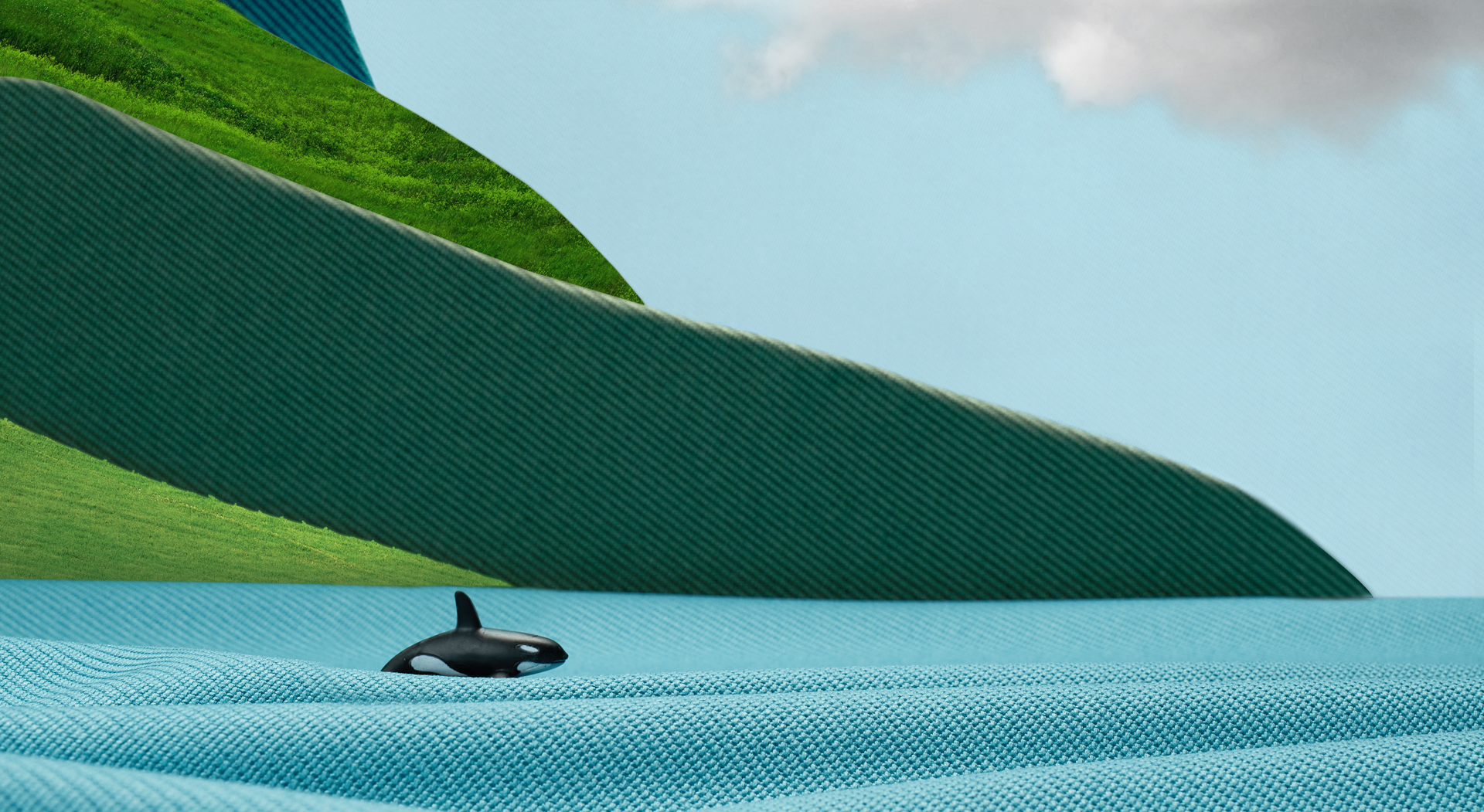
Oceanic – Recycled polyester, including yarn associated with recovered marine litter
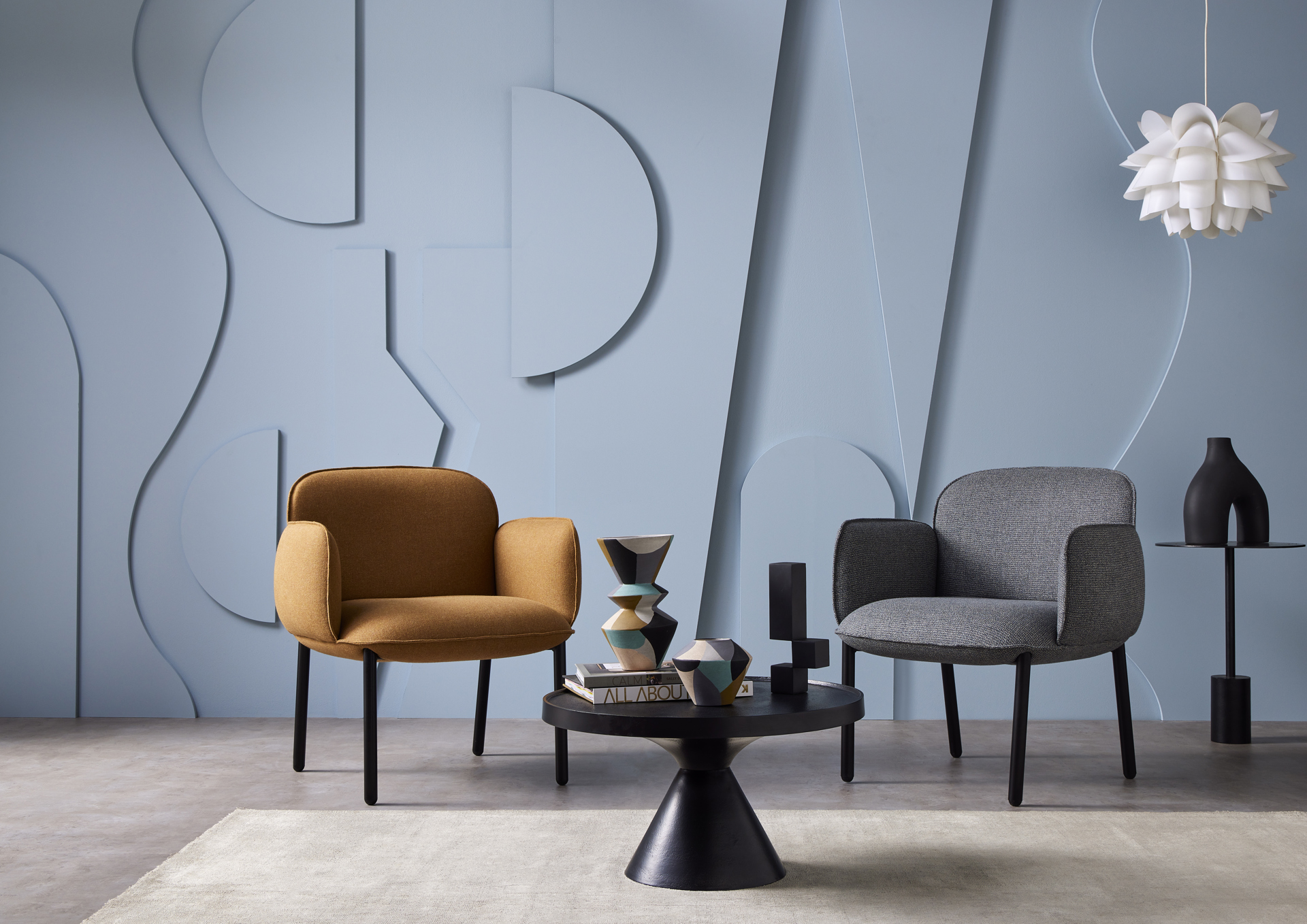
Main Line Flax – Natural wool and flax fibres
Sustainability is increasingly influencing how businesses approach office furniture and commercial fitouts.
And fabric selection can make a meaningful difference.
British textile manufacturer Camira Fabrics has developed innovative collections that explore alternative materials and more responsible production.
For example:
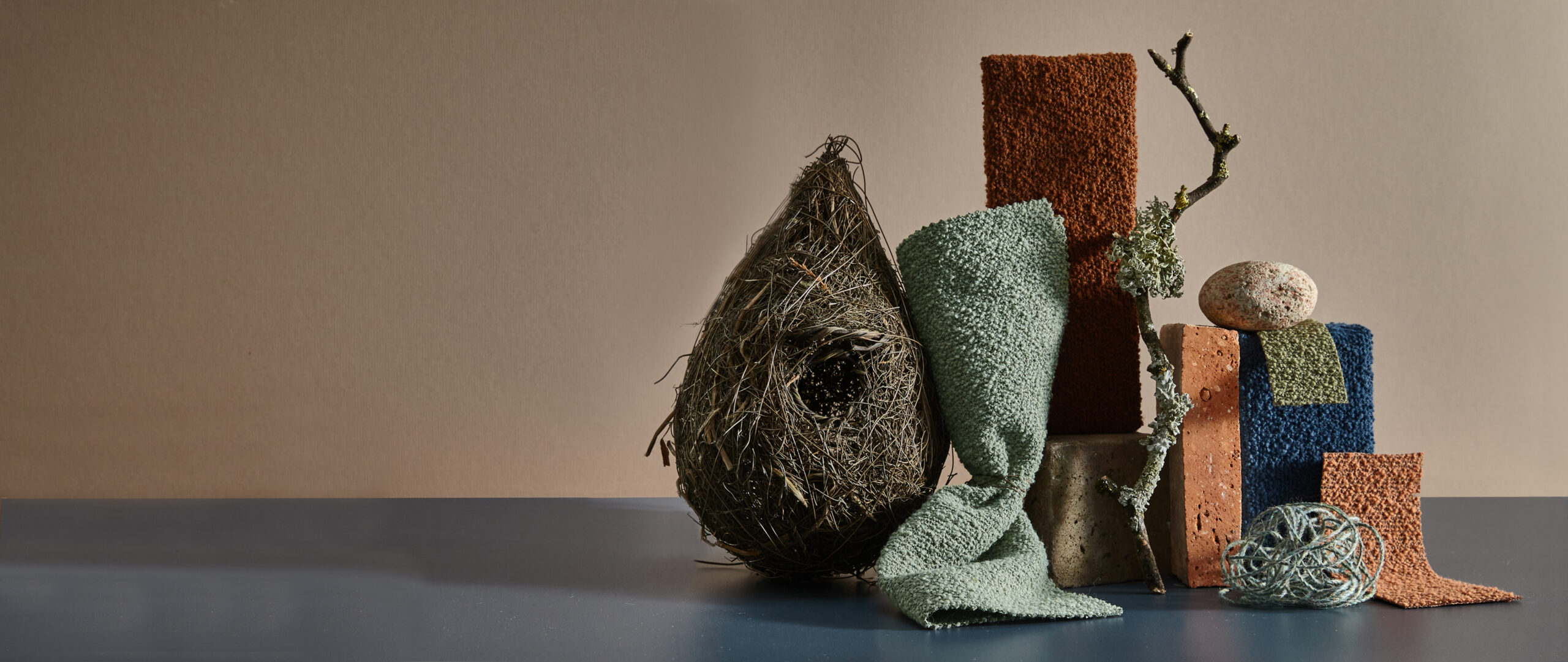
- Oceanic uses recycled polyester, including yarn made using recovered marine litter and recycled plastic waste.
- Main Line Flax combines 75% wool with 25% flax.
- Revolution incorporates recycled wool, giving textile waste another purpose.
But sustainable office furniture isn’t just about recycled content.
Choosing a durable fabric that keeps furniture in use for longer can reduce unnecessary replacement, waste and long-term costs.
Sometimes the most sustainable furniture is simply the furniture you don’t have to replace.
-
Choosing the right fabric is an investment
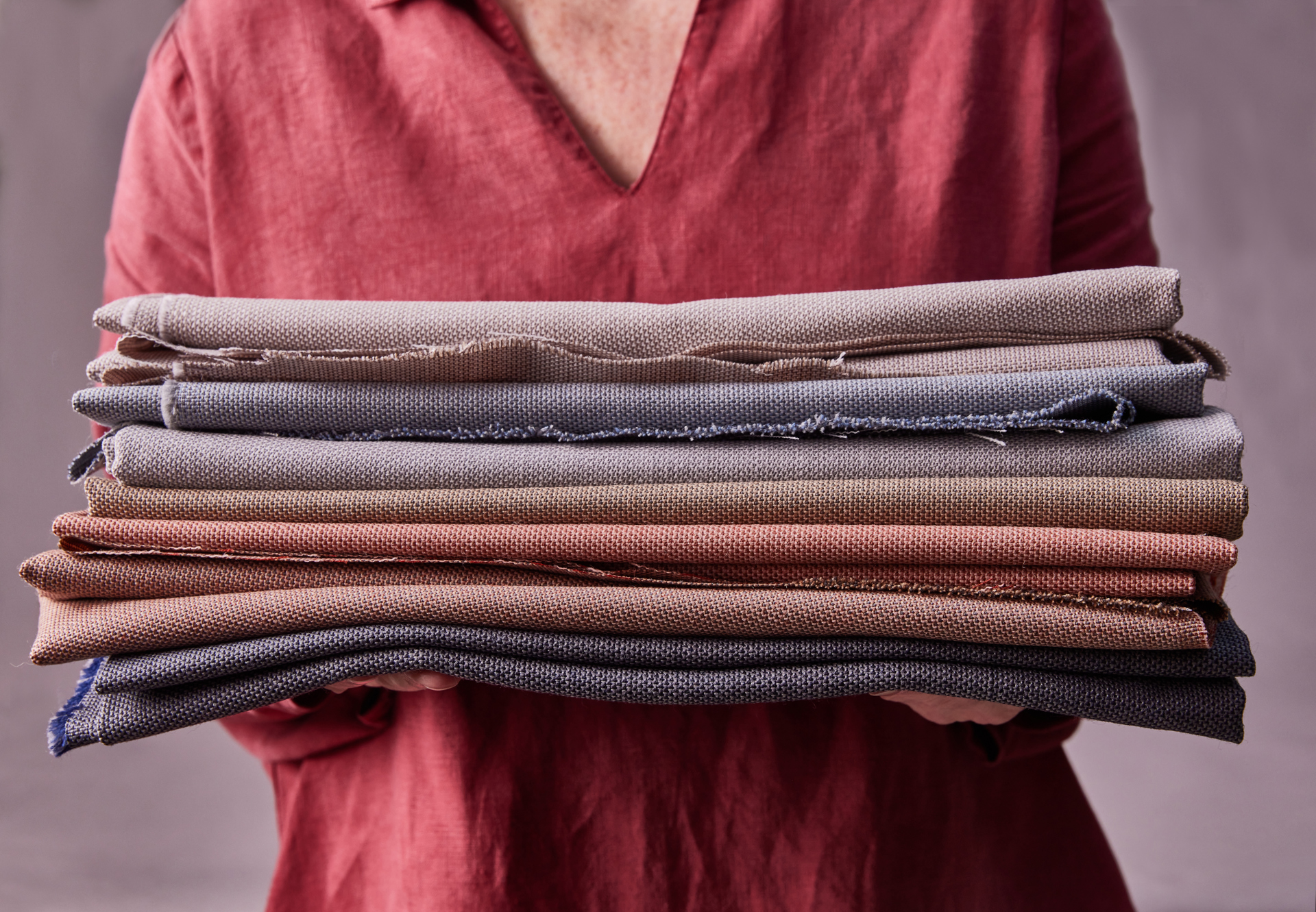
A beautifully designed chair is only a good investment if it continues to look and perform well.
Choosing the wrong upholstery can mean premature wear, difficult maintenance and expensive replacement.
Before specifying fabric for your next office fitout, consider how frequently the furniture will be used, how it will be cleaned, whether acoustic performance is required and what sustainability credentials the material offers.
It’s also important to check the appropriate fire safety and commercial performance standards.
Whether you’re designing a new office, upgrading a reception area or creating a collaborative breakout space, fabric should never be an afterthought.
Great workspace design is about finding the right balance between aesthetics, comfort, durability, sustainability and performance.
Because the right fabric doesn’t just finish a piece of furniture.
It helps make the furniture fit for purpose.
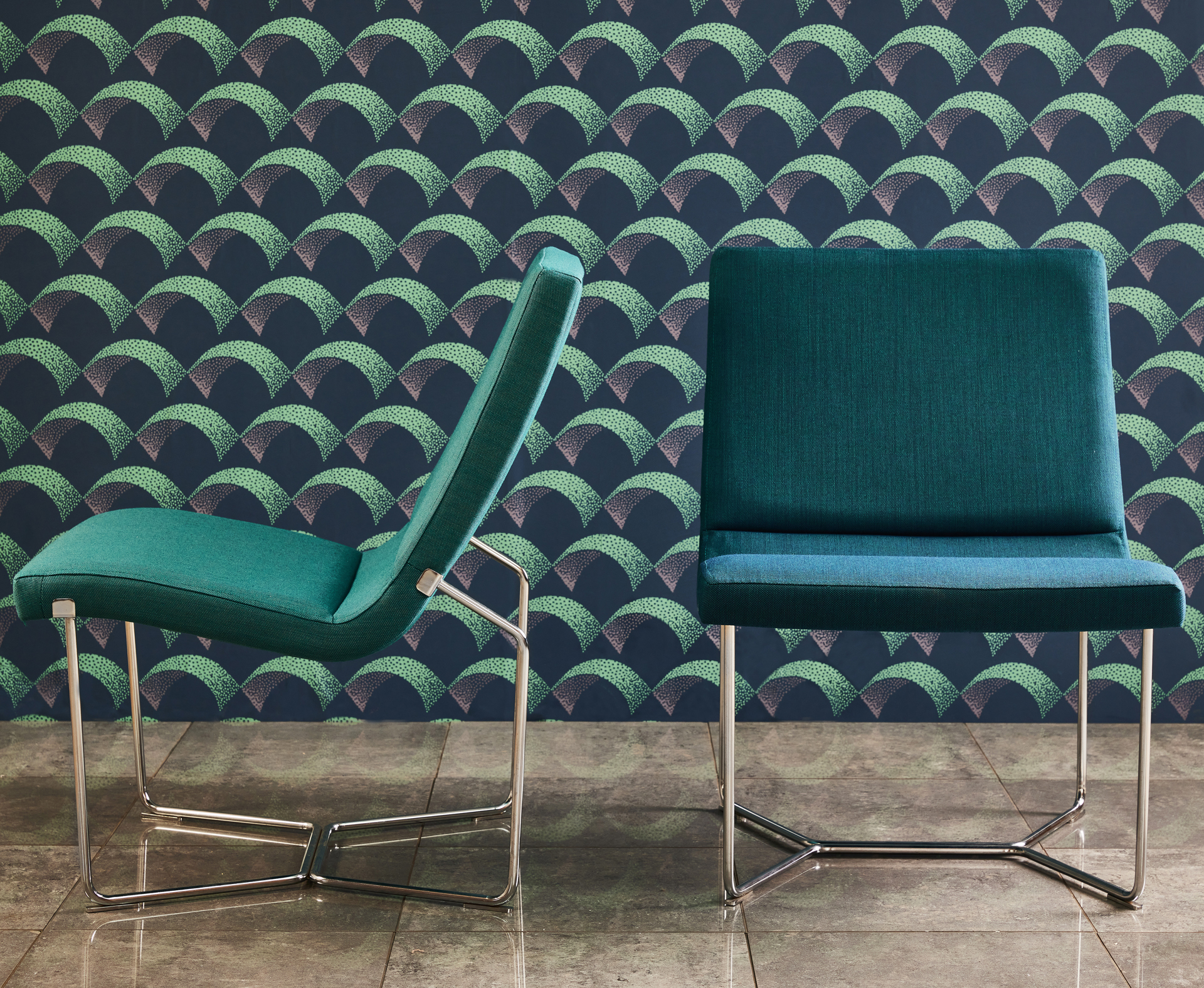
Planning an office fitout or workplace refurbishment?
From durable office seating to acoustic solutions and sustainable upholstery, thoughtful material selection can make a lasting difference to your workspace.
Let’s create a workplace that looks great, works harder and lasts longer.